With the growing interest in implementing a digital marketing strategy in business, many SMEs overlook the use of search engine optimisation (SEO) and paid search marketing.
In fact, only 49% (Clark 2021), and 45% (Guta 2021) of small and medium-sized enterprises (SMEs) use SEO and paid search marketing in their digital marketing strategies, respectively.
Therefore, this blog will discuss the definition and benefits of SEO and paid search marketing, as well as the steps to effectively implement digital analytics to measure the effectiveness of digital marketing that has been implemented.
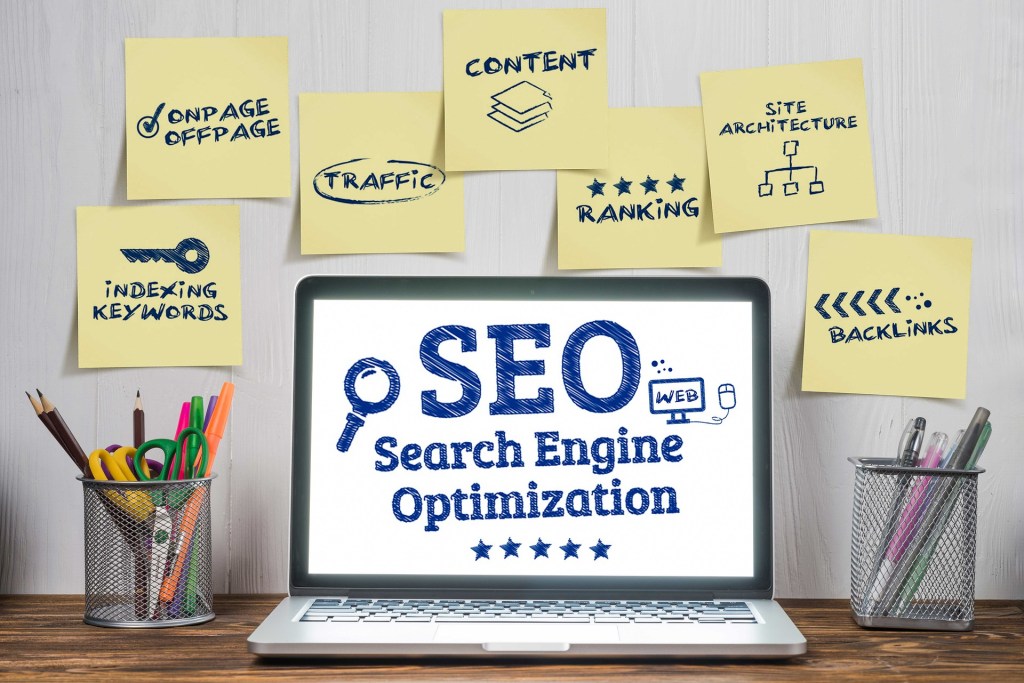
SEO is the process of increasing the visibility of a website on search engines when people are looking for a similar product or service to the business. There are numerous advantages to employing SEO as a digital marketing strategy. For example, it target on quality traffic, is free, generates more clicks than the pay per click (PPC) model, improves public relations efforts, and assists businesses in competing. (Khedkar and Khedkar 2021).

Paid search marketing is a digital marketing strategy in which businesses pay search engines to have their advertisements appear higher on relevant search engine results pages (SERPs) with PPC being the most used form of paid search marketing.
PPC allows SMEs to reach the right audiences, build strong brand awareness, control marketing budgets, generate high ROI, and cost-effective marketing methods.
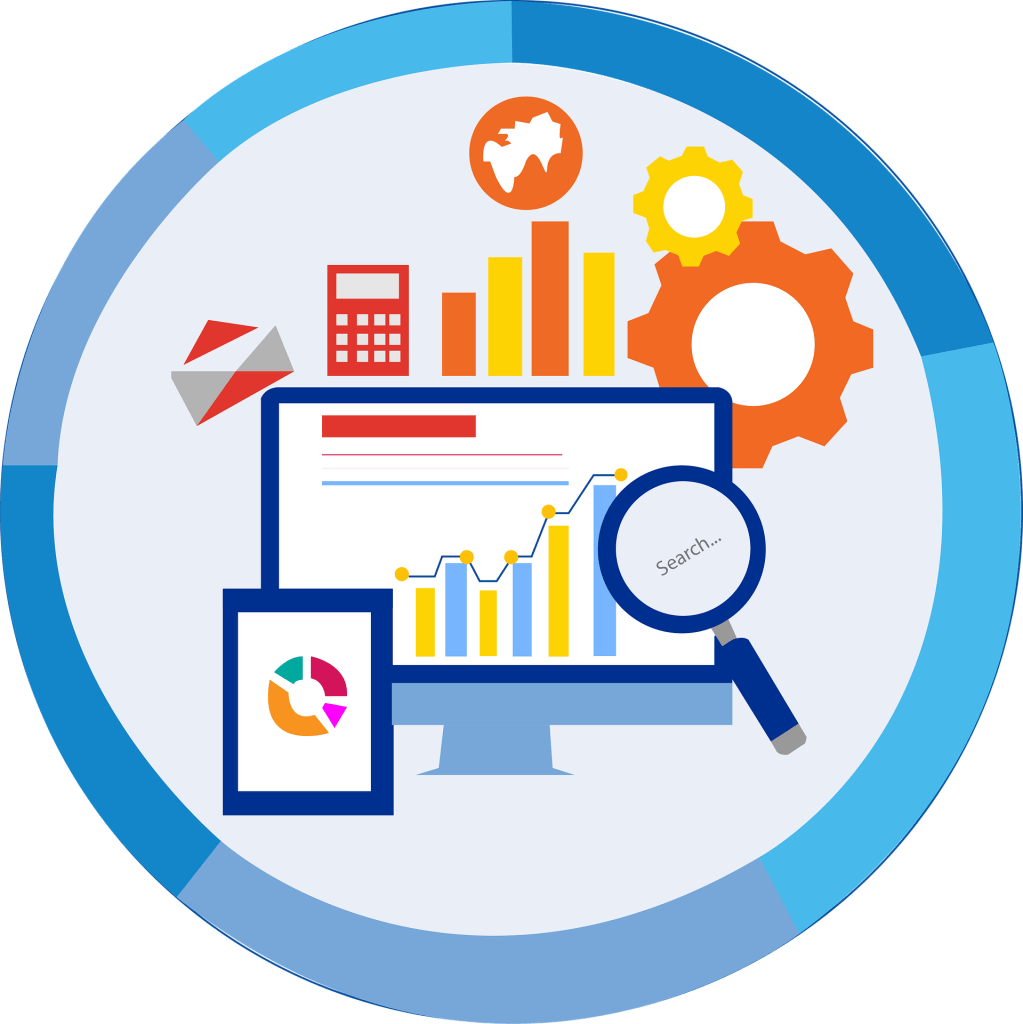
Digital analytics is important for businesses to adopt, especially for SMEs. As it allows them to identify and understand their customers’ behaviour, which enables the SME to improve, predict, and understand its customers’ needs. Furthermore, it also enables the SME to have a better understand the market situation as well as its competitors. Thus, SMEs should use digital analytics to assess the effectiveness of digital marketing plans.
3 methods for SME to effectively implement digital analytics:
- Developed the campaign objective.
- To have a clear goal, it should be Specific, Measurable, Achievable, Realistic, and Timely (SMART).
- Determine Key Performance Indicators (KPIs)
- After defining the KPIs for which they are aiming, the SME must determine which KPIs to prioritise.
- Evaluation of campaign effectiveness
- SME can select and use a platform for monitoring and measuring marketing performance, such as Google Analytics, HubSpot, Adobe Marketing Cloud, or other analytics platforms.
 Vania
Vania 
Hey Aurellia,
Great blog post! I loved your use of images to break up the text, and how you included statistics in your blog to support the trust and credibility of your post. Whilst your blog was very insightful and interesting, I would have loved to see a conclusion/key takeaway at the end of your blog to bring all your points together. However, your blog was very neat and easy to read, and I look forward to reading your blogs in future weeks!
LikeLike